
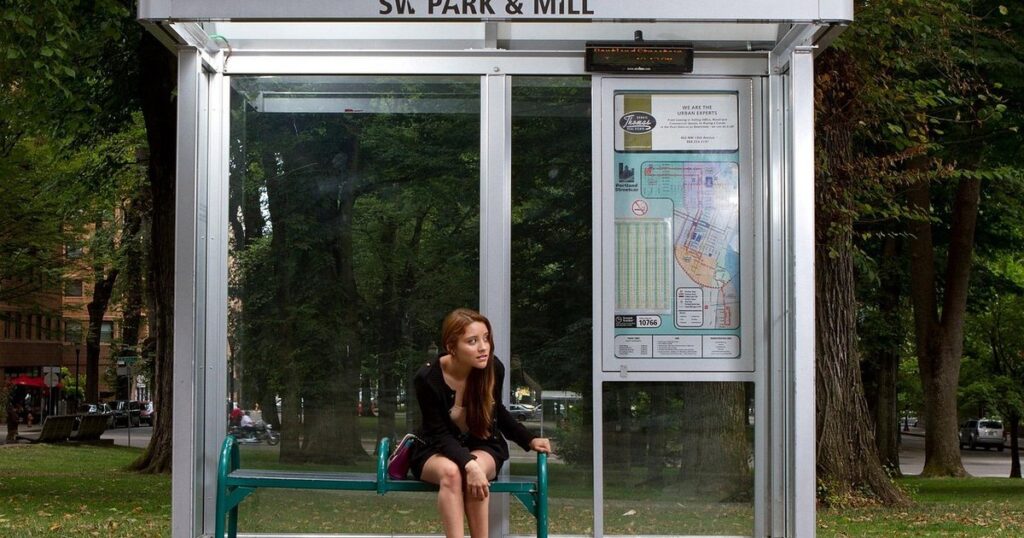
If your mom or dad takes the bus alone, there’s one thing worth talking about this week: the blessing scam. Vancouver police put out a warning about it in late October, and the details are the kind that should make any family stop and have a conversation.
This isn’t a computer scam. Nobody clicks a link. It happens in person, at a bus stop, and it works because it goes after the thing a parent cares about most: their children.
What happened in Vancouver
According to CBC News, citing a Vancouver Police Department news release, police are investigating two similar incidents a week apart, and they’re looking at a possible link between them.
October 16. Two women approached an 81-year-old woman at a bus stop on Victoria Drive near East 37th Avenue. They got to talking, and learned she had sons. A man then joined them and convinced her that her sons could be healed if her valuables were blessed. She went home and collected about $7,000 in cash, a gold necklace and a ring, and gave them to the man. He handed back a bag of instant noodles and water. Her daughter later called police.
October 23. A woman approached a 79-year-old at a bus stop at Fraser Street and East 47th Avenue. A second woman, wearing a mask and all black, joined in and told her that her youngest son would die unless she brought her gold and money to be blessed by two men to get rid of bad spirits. The woman in black rode the bus home with her to get the valuables. They then went back to the area, and the victim handed the men about $40,000 in cash and $50,000 in gold and jewelry. When she got home and opened her backpack, the money and valuables were gone. It held noodles and water bottles instead.
That’s a combined total of about $90,000 in the second incident alone.
This isn’t new. In July, police said blessing scams had about doubled compared with the same period the year before. There had been 13 reports in Vancouver as of July 24. At that time, police said the scammers were targeting elderly Chinese victims. For the October cases, police didn’t say anything about the victims’ backgrounds. I’d treat that as a reminder that anyone could be approached.
Why it works
Linda Yauk of Seniors First B.C. said scammers know how to take advantage of people’s vulnerabilities and can exploit cultural and religious beliefs. She also pointed out that seniors can experience loneliness and isolation.
Look at how the two incidents unfolded. A friendly stranger starts a conversation. Someone else joins in. A threat appears, aimed at a child. Then there’s a task: go get your valuables. The person is being kept busy and frightened. In the second case, the scammer even went along on the bus ride home. When someone is being walked step by step through a crisis, they don’t get a chance to stop and ask anyone else.
A parent who falls for this isn’t foolish. The scam is built to work on a loving, caring person who’s been caught off guard.
How to tell if this could affect your parent
Ask yourself a few plain questions:
- Does your parent travel alone on transit, or spend time waiting at bus stops?
- Do they keep cash, gold or jewelry at home?
- Do they have a spiritual or cultural tradition where a blessing or a warning about bad spirits would carry real weight?
- Are they often alone during the day, or a little isolated?
If you said yes to even one, it’s worth a conversation. The police warning comes from Vancouver, but there’s nothing in the story that suggests this would stay in Vancouver.
What to do today
1. Talk about it, and talk about it kindly. Yauk’s advice was that awareness and conversation are the best defence: “talk to other people about them so that we can recognize them and reject them.” Don’t present it as a lecture. Tell them about the news story and ask what they’d do.
2. Give them one simple rule. Valuables never go to a stranger. Not for a blessing, not for healing, not for safekeeping. No exceptions, even if the stranger seems kind and the story sounds frightening. A clear rule is easier to follow under pressure than a list of warning signs.
3. Practise a few sentences. Here are some scripts you can try together. Change them so they sound like your parent.
- “I don’t talk about my family with strangers.”
- “I need to call my daughter (or son) first.” Then actually call, even if the person tells them not to.
- “I’m not taking anything home today. Please leave me alone.”
- “If this is real, it can wait until I speak with my family.”
That second one matters most. Notice that in the October 16 case, it was the victim’s daughter who eventually called police. Getting a family member in the loop is the step that breaks the spell.
4. Make it okay to ask questions and look silly. Yauk said people are sometimes hesitant to ask because they might look foolish, “but we have to get past that.” Tell your parent plainly that you would much rather get ten false-alarm calls than one real one.
5. Agree on a code word or a check-in call. If your parent is ever pressured to go home and get money or gold, they call you first. If they can’t reach you, they call another trusted person. It’s a general safety habit, and it doesn’t depend on any one scam.
6. Think about what’s kept at home. Large amounts of cash and gold at home are exactly what this scam goes after. I can’t tell you what’s right for your family’s finances, but it’s worth a calm talk about whether that much needs to be kept in the house.
7. Keep an eye on neighbours and friends too. Yauk suggested looking out for neighbours and friends, because isolation makes people easier targets. A regular phone call counts as protection.
Signs something already went wrong
Because the exchange happens in person, you may not find out right away. Things that should make you suspicious:
- Your parent is suddenly upset, secretive or panicked about one of their children.
- Cash, gold or jewelry is missing.
- They come home with a bag or backpack of items they can’t explain, like food or water bottles.
- They mention meeting new “friends” at a bus stop, or a blessing, or bad spirits.
If you think it has happened, ask gently and don’t blame them. People often feel deep shame afterwards, and shame keeps them quiet. The first victim in this story ended up with the matter reported because her daughter made the call.
Where to get help
If it’s happening right now, or someone is in danger, call 911. Otherwise, report it to your local police. Vancouver police are asking anyone with information, or with CCTV or dashcam footage from the areas around Victoria Drive and East 37th, or Fraser Street and East 47th, to call the VPD’s non-emergency line. Look up the number on the Vancouver Police Department’s official website rather than trusting one from a message or a stranger.
For support, Seniors First B.C. runs a seniors abuse and information line that offers language interpretation services. It can be helpful for a parent who is more comfortable in a language other than English. Find the number on the organization’s own website.
Sources
Featured image: Image by PublicDomainPictures from Pixabay.