
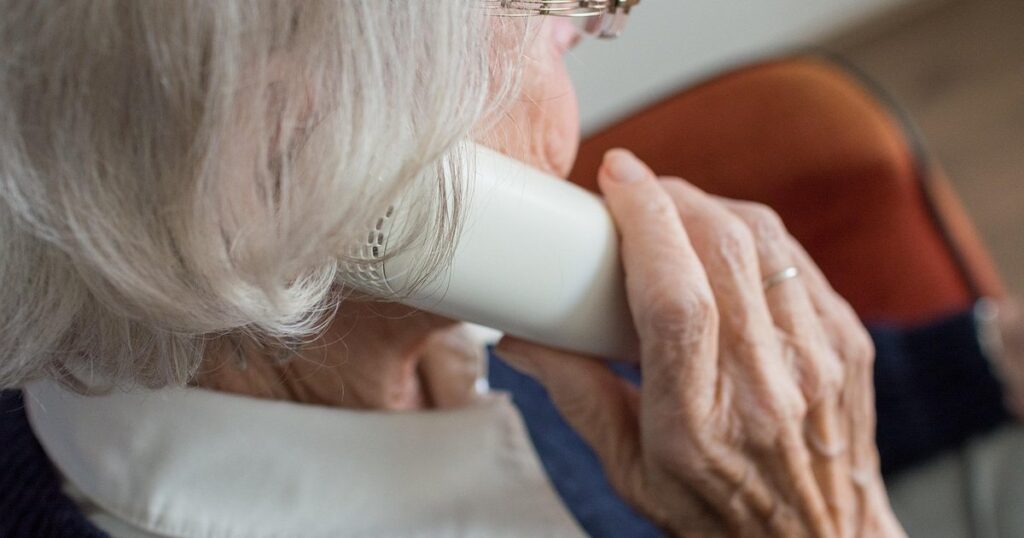
The phone rings. The screen shows a number that looks official, or one you recognize. The person on the line says it’s the police. Is it real?
You can’t tell from the screen. That’s the short answer, and it’s worth sharing with your parents tonight. A recent warning from Alberta shows why.
What happened
On Oct. 29, Red Deer RCMP said they had received multiple reports of people being called by likely fraudsters. According to rdnewsNOW’s report, the callers posed as RCMP officers, some claiming to be sergeants. They gave false regimental numbers. They also used technology to “spoof” phone numbers, so the calls looked like they were coming from the RCMP.
The stories people told were similar. They were told police were investigating their involvement in a crime, or that their personal information had been compromised. The callers then tried to get personal information. In some cases, people were told to follow a link. The RCMP said the calls targeted people in both Alberta and Ontario.
The RCMP’s advice for anyone who gets one of these calls is not to give out personal information.
Why the number on screen proves nothing
“Spoofing” means the caller makes the screen show a number of their choosing. In this case, one that looked like the RCMP. The number isn’t a fact about the call. It’s just a label the caller can set.
I think of the “From” line on an email. Anyone can type anything into it. Phone numbers on caller ID behave in a similar way. When an analyst looks at a suspicious email, the displayed sender is the least trusted part of the message. Caller ID deserves the same treatment.
The same trick can make a call look like it’s from a bank, a government office or a neighbour. So a number you recognize, or one that looks local, doesn’t make a call safe. It only tells you what the caller wanted you to see.
How to tell if a call is a problem
Don’t try to judge the voice or the number. Look at what the call asks of you. The Red Deer reports and the tips in the same article point to a few warning signs:
- The caller says you’re involved in a crime, or that your personal information has been compromised.
- They ask for personal details: your name, address, date of birth, banking information or passwords.
- They send you to a link.
- They pressure you to act right now, whether that’s sending money or handing over information.
- They offer official-sounding details, like a rank or a regimental number. Those can be made up, and in this case they were.
If a call has even one of these, treat it as suspect, however real it sounds.
What to do today
1. Don’t share anything you didn’t ask for. The RCMP’s guidance is to never share personal details like your name, address, date of birth, banking information or passwords unless you started the contact and have verified who you’re talking to. A call that comes to you doesn’t meet that bar, even if the screen looks right.
2. End the call. You’re allowed to. The advice in the article is blunt: if someone pressures you to send money or give information immediately, end the conversation. In the RCMP’s words, you aren’t being rude, you’re being safe.
3. Verify through a number you find yourself. The guidance is to go to the organization’s official website and use a verified phone number. That’s the key step. Don’t call back the number on your screen, and don’t use a number the caller gives you. Both can lead straight back to the scammer.
4. Talk to someone. If you’re unsure about a call, speak with a family member or someone you trust before you do anything.
5. Report it, even if nothing was lost. Reporting helps protect others. You can contact your local police service or the Canadian Anti-Fraud Centre at antifraudcentre-centreantifraude.ca.
A call-back script for parents and seniors
Pressure works because people feel they have to answer on the spot. A script takes that away. Print this and put it by the phone, or read it over with your parents so it feels familiar.
When the caller says they’re police, a bank, or any official body:
- Say: “Thank you. I’m going to hang up and call you back through your official number.”
- Hang up. Don’t argue and don’t explain. If they push, say it again, or just hang up.
- Find the organization’s number yourself, from its official website, or from a card, statement or bill you already have. Don’t use the number from the call.
- Call that number and ask whether anyone there contacted you.
- If a family member is nearby, tell them what happened before you do anything else.
It also helps to set a household rule: nobody gives out personal information or sends money on a call that came in unexpectedly, no matter who it says it is. If the call was real, the organization will understand a call-back. A real caller loses nothing when you verify. A fraudster loses the whole scheme.
If the caller says it’s about your involvement in a crime, it can feel scary and urgent. That feeling is what they’re counting on. Hanging up won’t make a real matter disappear. It just lets you check it calmly.
Signs something already went wrong
If you already stayed on the line, you haven’t failed. These calls are built to be convincing. Think back over the call and ask:
- Did I give out my name, address, date of birth, banking details or a password?
- Did I click a link the caller told me to follow?
- Did I send money?
If the answer to any of these is yes, act quickly. The Canadian Anti-Fraud Centre recommends the following if you believe you were targeted:
- Gather all the information related to the fraud, including documents, receipts, and copies of emails and text messages.
- Contact the financial institution involved in any transfer of funds.
- Report it to your local police service or the Canadian Anti-Fraud Centre.
- Tell family, friends, neighbours and co-workers, so others are less likely to be caught.
As general practice, if you clicked a link or typed in a password, change that password from a device you trust, and do the same for any other account where you used it. Your bank can tell you what else to watch for.
When to bring someone else in
Call your bank if money moved or if you gave out banking details. Report to your local police service or the Canadian Anti-Fraud Centre in any case. And if a parent or older relative was on the receiving end, sit with them and go through what happened without blame. People who feel embarrassed stop talking, and that’s when scams grow.
The Red Deer RCMP are still investigating these incidents. Their warning covers one cluster of calls, but the lesson applies to any call that arrives on its own and asks for something.
Sources
Featured image: Image by sabinevanerp from Pixabay.